
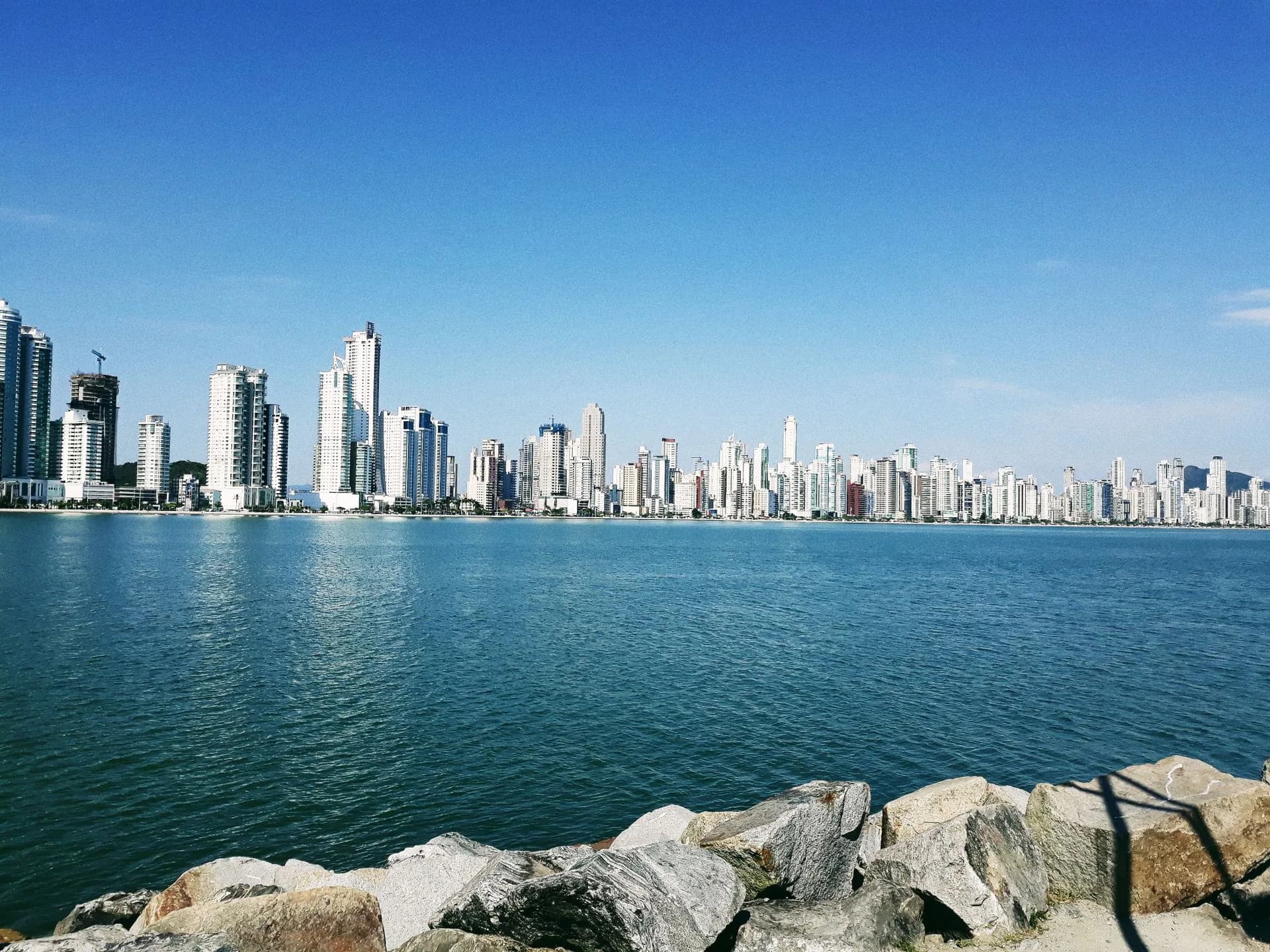
Retiring in Panama
Permanent residency from day one, discounts written into law and an economy that runs on dollars. Also heat, paperwork and healthcare concentrated in the capital. No brochure.

Panama has been on the best-places-to-retire lists for decades, and it isn't marketing. The Pensionado visagrants permanent residency from the day it's approved on a lifetime pension of $1,000 a month; Law 6 of 1987 mandates discounts of 10% to 50% across half the economy; the tax system is territorial(foreign-source income isn't taxed); and the whole country runs on US dollars.
The other half of the story: it's hot almost all the time, high-complexity healthcare sits in the capital, the visa takes months and requires a lawyer, and Panama City is not cheap. This article covers both halves.
Why so many people pick Panama
Set Panama next to other Latin American retirement destinations and six things stand out that almost nowhere else combines:
Everything in dollars
The balboa is pegged 1:1 to the US dollar and US notes circulate in practice. Zero exchange-rate risk on your pension.
Permanent residency immediately
The Pensionado visa skips the temporary stage and doesn't require annual renewals.
Legally mandated discounts
Not promotions: they're set by statute and enforced by ACODECO.
Territorial taxation
Panama taxes only what's generated in Panama. Your foreign pension, in principle, isn't taxed here.
Genuine connectivity
Tocumen is the Hub of the Americas: direct flights across North and South America and to Europe.
Convenient time zone
Same time as New York in winter. Calling the grandchildren doesn't require arithmetic.
The Pensionado visa, step by step
This is the headline programme and the reason Panama shows up on every list. It's handled by the National Immigration Service and can only be filed by a Panamanian attorney — there is no DIY online route.
| Requirement | What it means |
|---|---|
| $1,000/month | A documented lifetime pension. Add around $250/month per dependent you include. |
| $750/month | The reduced option if you also buy Panamanian property worth more than $100,000. |
| Source of pension | It must come from a pension system or retirement fund (social security, a government pension, a corporate plan). Investment income or your own foundation usually does not qualify. |
| Paperwork | Police clearance certificate, medical certificate, valid passport and a letter from the paying institution. Everything foreign must be apostilled and translated by an authorised public translator. |
| Timeline | Three to six months to the permanent residency card. |
The expensive mistake: assuming any $1,000 of income counts. The requirement is a lifetime pension. Rental income, dividends or your own financial structure are commonly rejected — and by then the filing costs are already spent. This is exactly the point to confirm with the attorney before you move anything.
The Law 6 discounts: the underrated benefit
This is what actually changes your monthly economics, and it's the part least understood from abroad. These aren't offers: they are legally mandated discounts for retirees and pensioners, Panamanian or foreign resident, and non-compliance is reported to ACODECO.
| 50% | Entertainment: cinema, theatre, concerts, sports |
| 50% | Hotels, Monday to Thursday |
| 30% | Hotels Friday to Sunday, and public transport |
| 25% | Airline tickets, domestic and international |
| 25% | Restaurants (15% at fast food) |
| 20% | Medical consultations and professional fees |
| 15% | Hospital bills, dental and optical care |
| 10% | Prescription medicines |
Run it against your own spending: 20-25% off doctors and restaurants and 25% off flights adds up to several hundred dollars a month on a retirement budget.
Tax, banking and the dollar
Panama runs a territorial tax system: it taxes only Panama-source income. A pension, dividends or income generated abroad are not taxed here, even if the money arrives in a Panamanian account. On income actually earned in Panama, the personal income tax scale is 0% up to B/.11,000 a year, 15% from B/.11,001 to B/.50,000 and 25% above that.
The balboa is pegged 1:1 to the dollar and the notes in circulation are American. For someone drawing a pension in dollars, that removes the exchange-rate risk that eats much of the cost advantage in other Latin American destinations.
I'm not a lawyer or a financial adviser, and none of this is legal or tax advice. Panama not taxing your pension doesn't mean your home country won't: US citizens file with the IRS wherever they live, and other countries have their own tax-residency rules and double taxation treaties. Sit down with an adviser on both sides before you move.
One practical warning: opening a Panamanian bank account is slow. Banks ask for references, source-of-funds documentation and often approved residency first. Plan on running your first months through your home bank and a good no-fee card.
What it actually costs
Panama is cheaper than the US or Western Europe, but Panama City is not a cheap city, and that confusion is why people arrive with the wrong budget. These are indicative ranges reported by foreign residents — not official statistics — and they swing a lot with lifestyle.
| Area | Rent | Couple's budget |
|---|---|---|
| Boquete / Coronado | From $700-900/month | $2,000-3,200/month |
| Panama City (central) | ~$1,100/month, one bedroom | $3,500-5,500/month |
| Interior / Azuero | Local prices | Clearly below, with fewer services |
Two line items people underestimate: air conditioning, which on the coast can double the electricity bill, and a car. Outside the capital, public transport is limited and you'll end up buying one. Inside the city you can live perfectly well without — we cover it in the Panama City transport guide.
Where to live: five different Panamas
Choosing the area matters more than the budget. Panama is small but varied, and the classic mistake is falling in love with Boquete's weather in January without having seen October.
Panama City
For people who don't want to give up a city
For: The country's best hospitals, an international airport 40 minutes away, capital-city food and culture, everything in dollars and English widely spoken in the service sector.
Against: The most expensive place in the country, serious traffic and city heat without the coastal breeze.
Boquete (Chiriquí)
The mountain classic
For: Cool weather year-round at 1,200 m, a long-established expat community, hiking, high-altitude coffee and rents well below the capital.
Against: The referral hospital is in David, 40 minutes away; complex surgery means a flight to the capital. And it rains far more than people expect.
Coronado and Playa Blanca
Beach without leaving the capital behind
For: Ninety minutes from Panama City on the Pan-American highway, large supermarkets, private clinics and golf. It's the convenient option.
Against: Heavily built up and heavily expat: if you came looking for authentic Panama, this isn't it.
Pedasí and the Azuero peninsula
For those who want a real small town
For: Empty beaches, local prices, unfiltered Panamanian culture and the best festival season in the country.
Against: You're far from everything. Basic healthcare, and you'll drive for almost anything.
Bocas del Toro
Caribbean, for a specific person
For: Island life, a small international community and a pace that doesn't exist on the mainland.
Against: Expensive logistics, limited services and high humidity all year. Works better as a second home than as the whole plan.
If weather is your main criterion, don't trust the annual average: what matters in Panama is dry season versus rainy season, and it differs sharply between the Pacific and the Caribbean. It's laid out month by month in our Panama weather guide.
Healthcare: excellent, but concentrated
Private healthcare in Panama City is the country's strongest argument against other retirement destinations in the region: hospitals working to international standards, doctors trained in the United States, and private consultations in the $50-80 range before the Law 6 discount of 20% is applied.
The issue isn't quality, it's geography. That network sits in the capital. In Boquete the referral hospital is in David; in Pedasí or Bocas, anything serious means travelling. If you have a chronic condition that needs a specialist, that should weigh more than the rent when you pick an area.
Local private health insurance is markedly cheaper than in the US, but most policies have an entry age limit and exclude pre-existing conditions. Get quotes before you move, not after.
The downsides, unvarnished
Heat and humidity, most of the year
Outside the highlands you'll live with air conditioning. If heat wears you out, that doesn't get fixed by getting used to it.
Paperwork is slow
In-person appointments, queues and apostilled documents. The process works, but at its own pace, and always through an attorney.
Specialist care is centralised
Living at the beach or in the mountains means accepting travel for anything beyond routine care.
Expat-town inflation
Rents and services in Boquete and Coronado sit noticeably above the rest of the country.
Spanish helps enormously
You'll manage in English in the capital. Outside it, less so — arriving without Spanish limits your social life and your errands.
Water is a national issue
The droughts of 2023 and 2024 hit both the Canal and the water supply. It's a real planning question, not a footnote.
What to do before deciding anything
The advice we always give, and nobody wants to hear because it's slow: come during the rainy season. May to November. Anyone falls in love with Panama in February under a blue sky; the real question is whether you like it in October.
Rent for three months in the area you're considering before buying anything. Do the weekly shop at the local supermarket, see a doctor, pay an electricity bill. It's the only way to turn a theoretical budget into one that resembles your actual life.
And if you're still in the exploring phase, start here — real places from our catalogue, the kind you'd end up at every week.
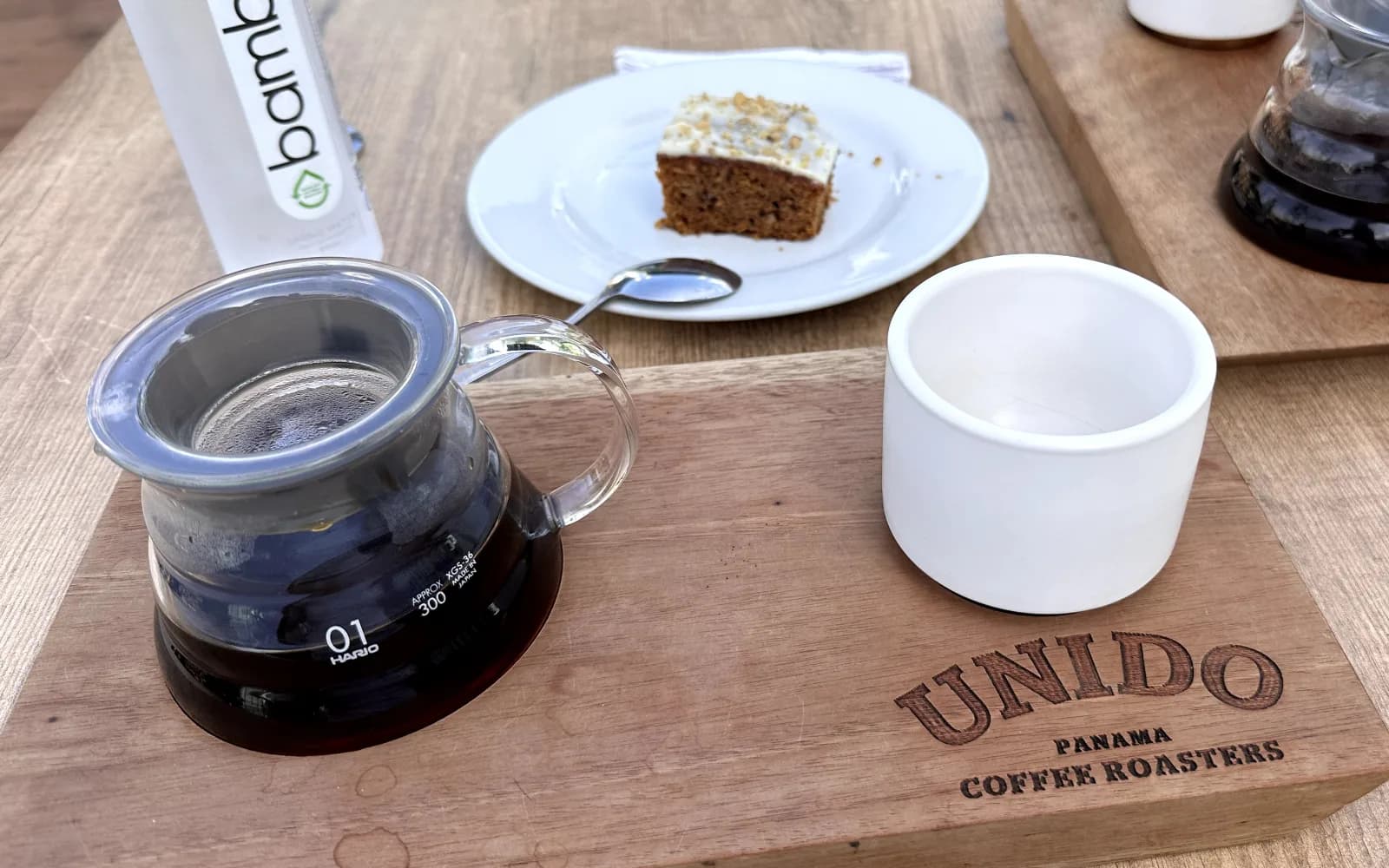
Café Unido Casco Viejo
High-altitude Panamanian coffee, much of it from Boquete, roasted here. The place where you understand why people move to Chiriquí for the coffee.
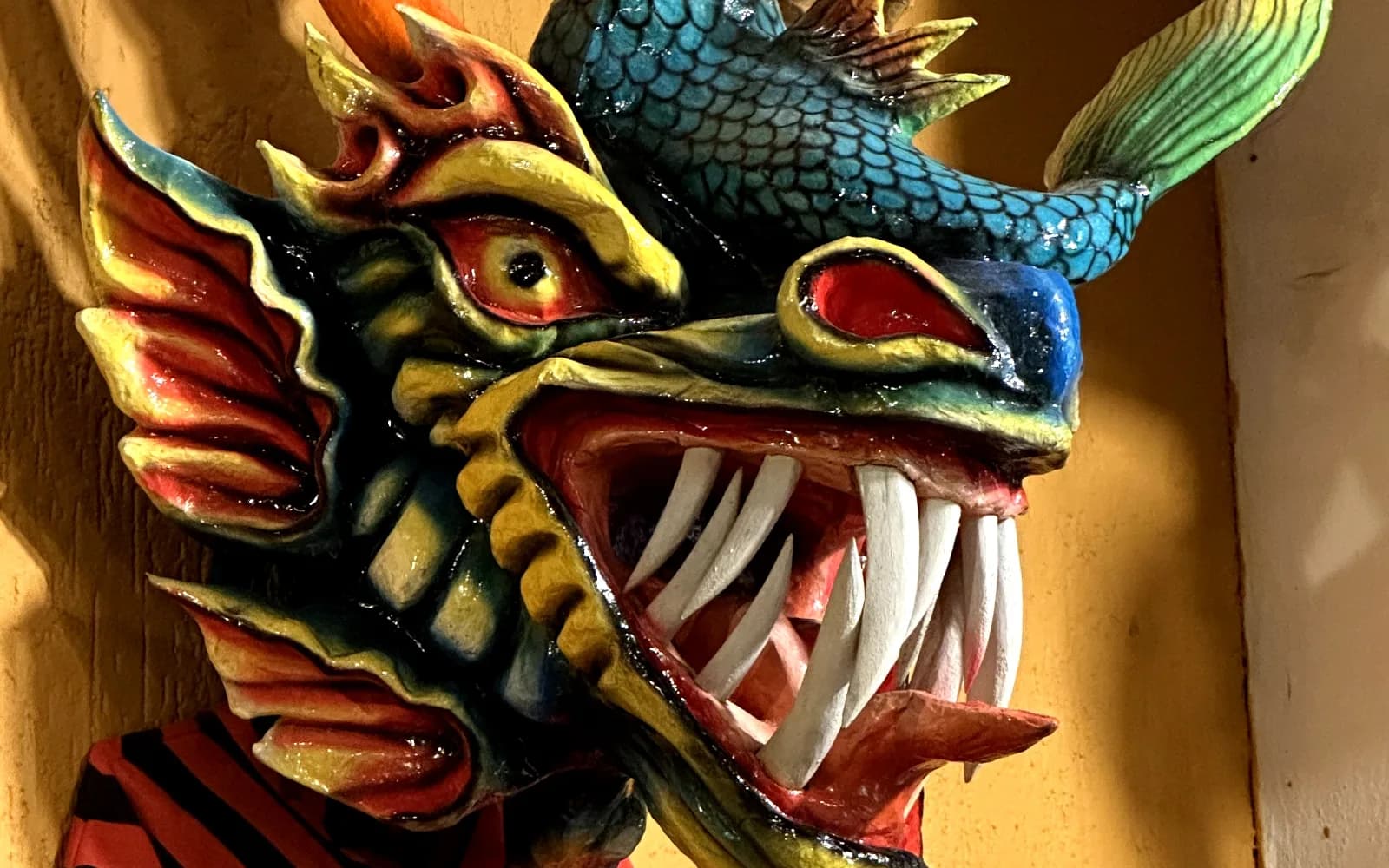
Restaurante El Trapiche | Vía Argentina
Real Panamanian cooking since 1983, in El Cangrejo. With the Law 6 discount applied, it's the kind of place that turns into a weekly habit.
Amador Causeway
The city's seafront walk, looking out at ships entering the Canal. This is where half of Panama City walks at sunset.
Biomuseo (Museum of Biodiversity)
Frank Gehry's building at the Canal entrance. It tells how the isthmus joined two continents and changed the planet's climate — a good first lesson in why Panama is the way it is.
Frequently asked questions
How much income do you need for Panama's Pensionado visa?
The standard requirement is proof of a lifetime pension of at least $1,000 per month for the main applicant, plus around $250 per month for each dependent. A reduced $750 per month option exists if you also own Panamanian real estate valued above $100,000. Amounts and conditions are set by the National Immigration Service and should be confirmed with a Panamanian attorney before you start.
Does the Pensionado visa give permanent residency?
Yes. That is what makes the Panamanian programme unusual: it grants permanent residency on approval, with no temporary period first and no annual renewals. You do need to keep your residency card current and maintain the pension the application was based on.
What discounts do retirees get in Panama?
Law 6 of 1987 and its amendments mandate discounts of 50% on entertainment and on hotels Monday to Thursday, 30% on hotels Friday to Sunday and on public transport, 25% on airline tickets and restaurants, 20% on medical consultations, 15% on hospital bills and dental and optical care, and 10% on prescription medicines. They apply to Panamanian retirees and to foreign residents holding the Pensionado visa, and compliance is enforced by the consumer protection authority, ACODECO.
Does Panama tax foreign pensions?
Panama operates a territorial tax system and taxes only Panama-source income. A pension paid from abroad is, in principle, not taxed in Panama even if it lands in a Panamanian bank account. That does not remove obligations in your home country: US citizens, for instance, keep filing with the IRS wherever they live. Always consult a tax adviser in both countries.
How much does it cost to retire in Panama?
It depends heavily on where you settle. In established expat towns like Boquete or Coronado, couples commonly report budgets of $2,000 to $3,200 a month including rent. In Panama City, an upper-middle-class lifestyle in central neighbourhoods easily runs $3,500 to $5,500 a month. These are indicative ranges reported by foreign residents, not official statistics.
How long does the Pensionado visa take?
The application must be filed by a Panamanian attorney with the National Immigration Service, and 3 to 6 months from first filing to holding the permanent residency card is typical. Foreign documents must be apostilled or legalised and translated by an authorised public translator.
Official sources
The immigration requirements, discounts and tax rules in this article come from Panamanian institutions. The cost-of-living ranges are indicative and are not from an official source.
- Servicio Nacional de Migración (Panama)The competent authority for the Pensionado visa: current requirements, documentation and procedure.
- Law 6 of 1987 (text hosted by the MICI)The statutory regime of benefits and discounts for retirees, pensioners and senior citizens.
- Ministry of Health — amendment to Law 6 of 1987Text of the law amending retiree and pensioner benefits, including healthcare discounts.
- ACODECO — Consumer Protection AuthorityThe body that enforces the discounts and where complaints are filed.
- Dirección General de Ingresos (Ministry of Economy and Finance)Panama's tax administration: the territoriality principle and the personal income tax scale.
Sources consulted on August 15, 2026. This article is informational and is not legal or tax advice: immigration requirements and thresholds can change without notice. Consult a Panamanian attorney and a tax adviser in your own country before making decisions.
So what's life here like the rest of the time?
130+ places across Panama, with a map, opening hours and the detail Google Maps won't tell you. Curated by locals.
Léelo en español · Leggi in italiano